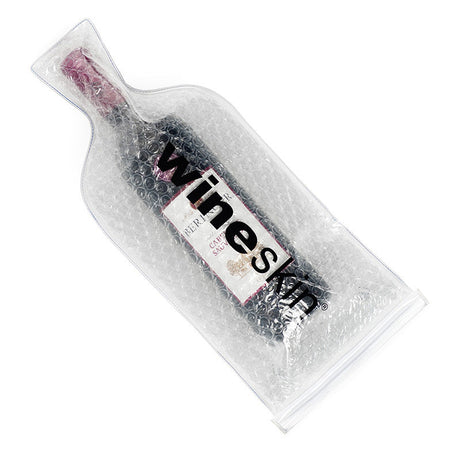
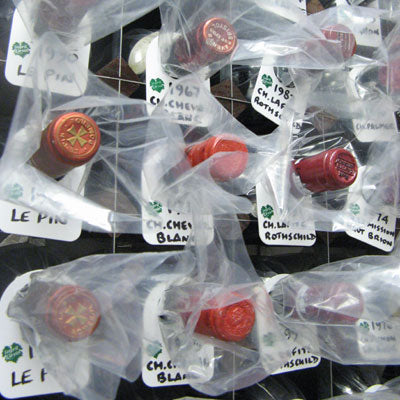
- Use cellar sleeves to protect wine bottle labels.
- Keeping the bottle label in pristine condition is vital to the value of a bottle.
Wine labels are more than just decoration; they tell the story of what’s in the bottle. For many wine lovers (and especially collectors), the label is part of the wine’s identity and value.
Unfortunately, labels are among the first things to get damaged in storage. Humidity, condensation, handling, and light exposure can cause labels to fade, peel, wrinkle or even grow mould.
Below, we’ll explain the best ways to protect wine bottle labels, whether you’re cellaring bottles long-term, building a collection, or want your best bottles to stay looking pristine.
Why wine labels get damaged
Most wine labels are printed on paper and fixed using adhesive, meaning they’re vulnerable to:
- Humidity swings (too dry = peeling edges / too damp = wrinkling & mould)
- Condensation (especially from fridges, wine coolers and ice buckets)
- Light exposure (can fade ink over time)
- Handling marks (oily fingers, scuffs, scratches)
- Bottle rub in tight racks or cases
The good news: label damage is very preventable with a few simple habits.
How to protect wine labels: best practices
1 - Keep bottles dry (especially after chilling)
Condensation is one of the biggest culprits. If you chill bottles in the fridge or in a cooler, always:
- Wipe the bottle dry before storing it
- Avoid leaving bottles wet in racks or cases
- Don’t store bottles long-term straight after using an ice bucket
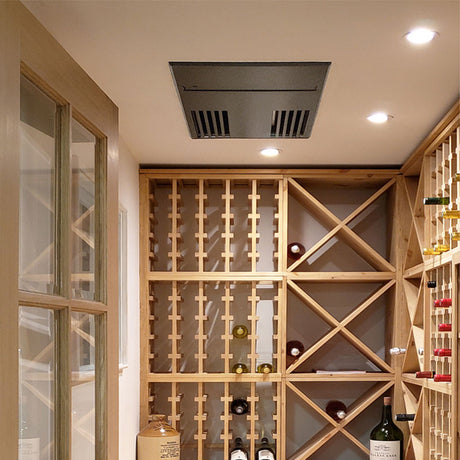
2 - Store wine in stable conditions
Even if you don’t have a traditional cellar, aim for:
- Stable temperature (avoid significant changes)
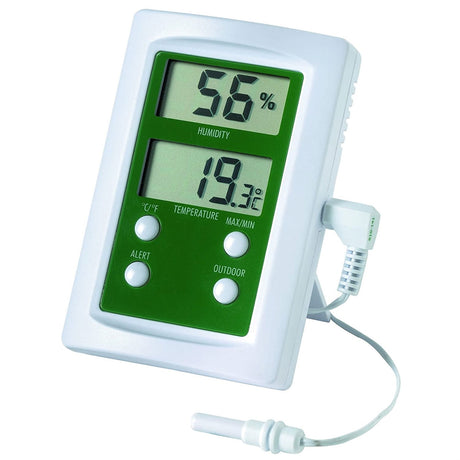
- Controlled humidity
- Dark storage (UV and bright light can fade labels)
Label damage is often caused not by one extreme condition, but by constant fluctuations.
3 - Avoid unnecessary handling
Try not to handle bottles by the label area. Oils from hands can stain paper labels and weaken adhesive. If you’re frequently moving bottles around:
- Handle by the base or neck
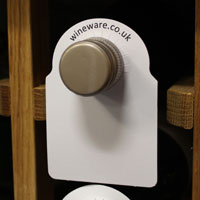
- Consider using neck tags so you don’t need to remove bottles to identify them
4 - Use wine cellar sleeves for long-term protection
If you want labels to remain clean and crisp, the easiest option is to protect them with a clear sleeve.
Wine bottle cellar sleeves help prevent:
- Scuffs and scratches
- Water damage and condensation
- Label rubbing in racks
- Staining from mould spots
They’re ideal for:
- Collectors
- Gift bottles
- Wines stored in wooden cases
- Bottles stored for resale
Standard Bottle Cellar Sleeves & Magnum Bottle Cellar Sleeves.

5 - Use wine bottle neck tags to identify bottles without moving them
Even with perfect storage, labels wear down simply through “checking” bottles. Wine bottle neck tags let you record:
- Producer / Region
- Vintage
- Drinking window
- Purchase date
- Rack position
See our selection of Wine Bottle Neck Tags.

Frequently Asked Questions
How do I stop wine labels from peeling?
Peeling is usually caused by dryness, condensation, or fluctuating storage conditions. Dry bottles before storing, maintain stable conditions, and use cellar sleeves for extra protection.
Do wine labels get damaged in ice buckets?
They can. Prolonged exposure to water and condensation often causes wrinkling, staining and peeling. A sleeve helps protect labels during chilling.
Can mould damage wine labels?
Yes, mould can permanently stain labels. Stable humidity and good ventilation help prevent mould, and sleeves provide an extra barrier.
Should I protect the labels on expensive wines?
If you’re storing premium bottles, gifting wine, or collecting for resale, protecting labels is highly recommended to preserve both appearance and potential value.